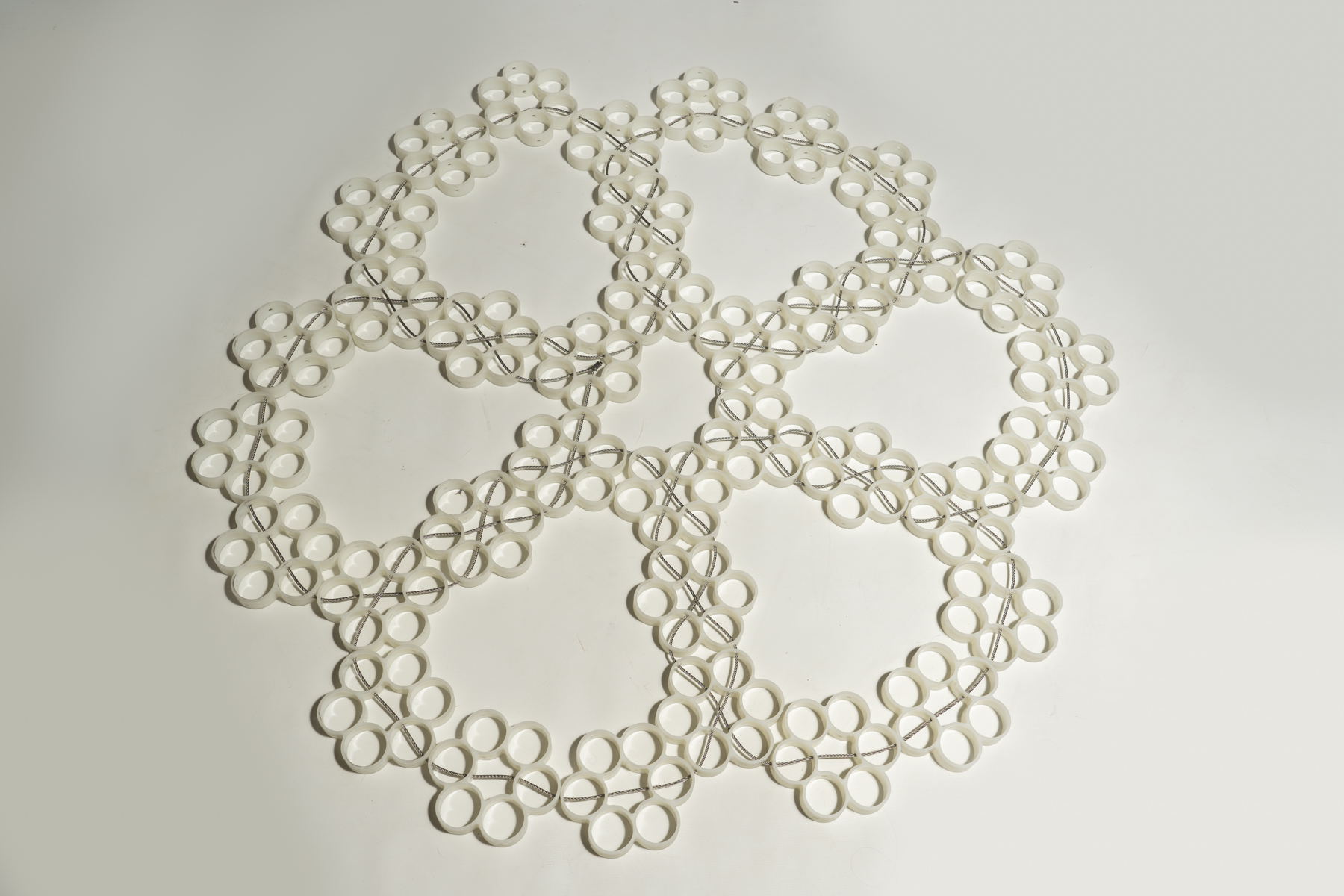
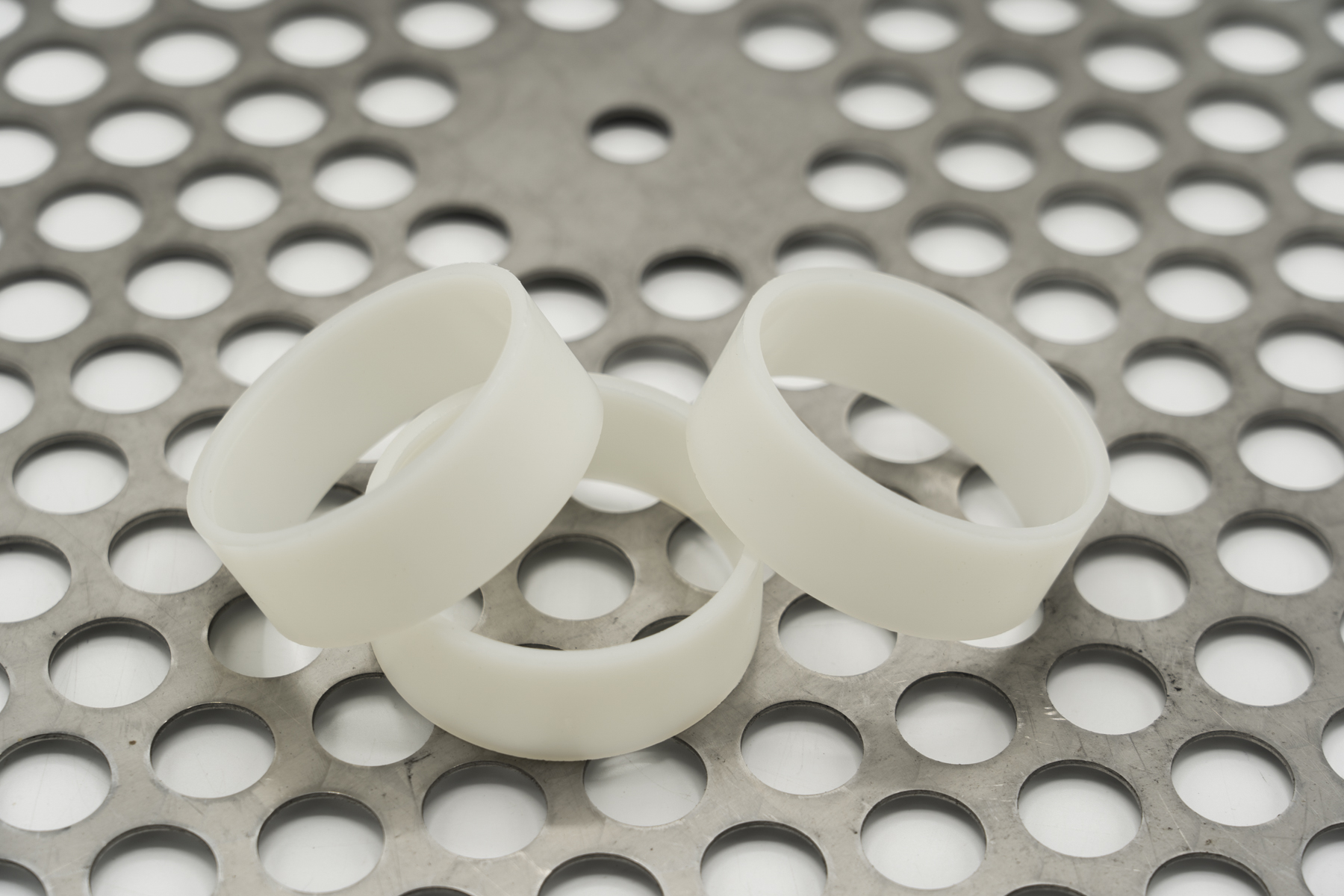
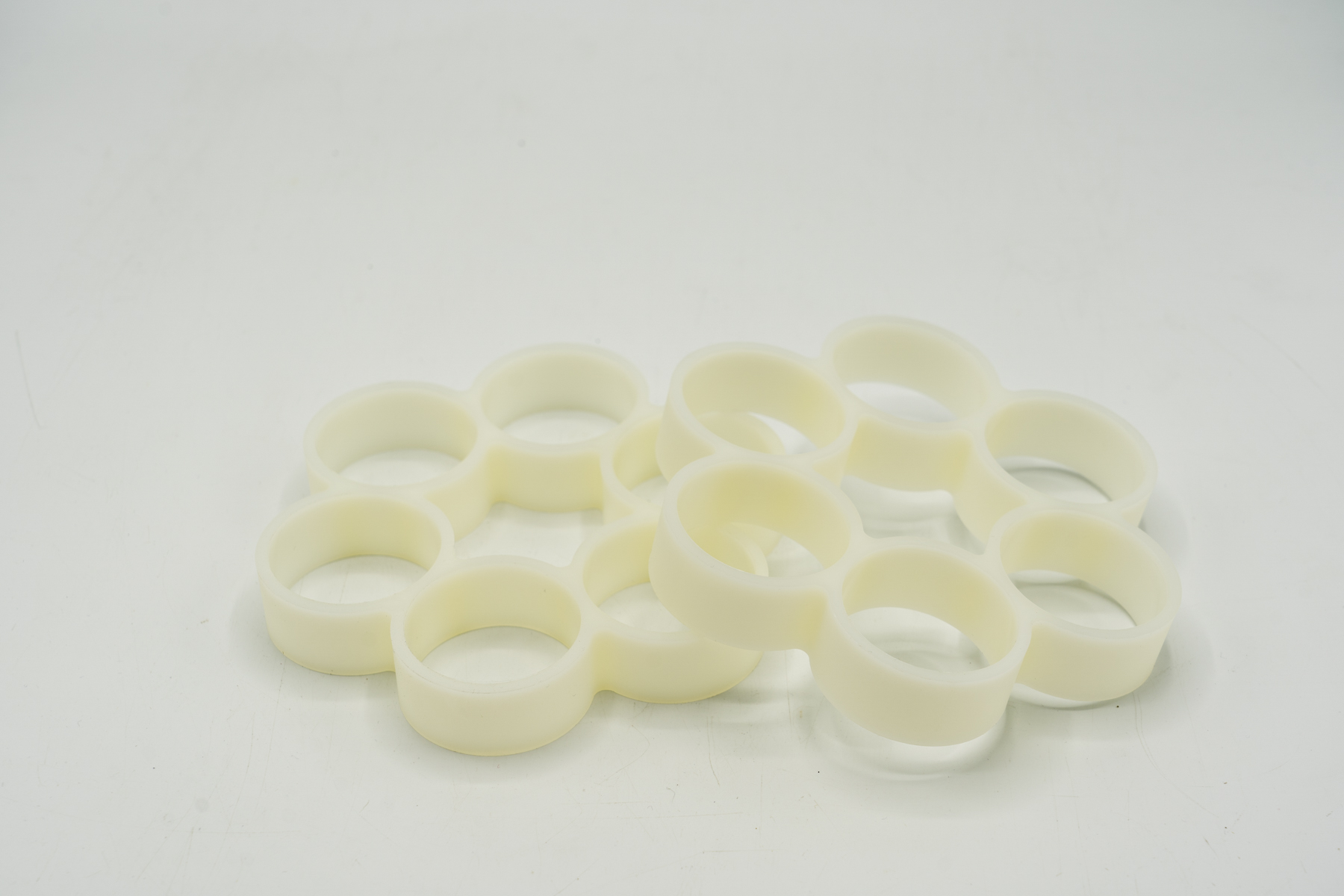
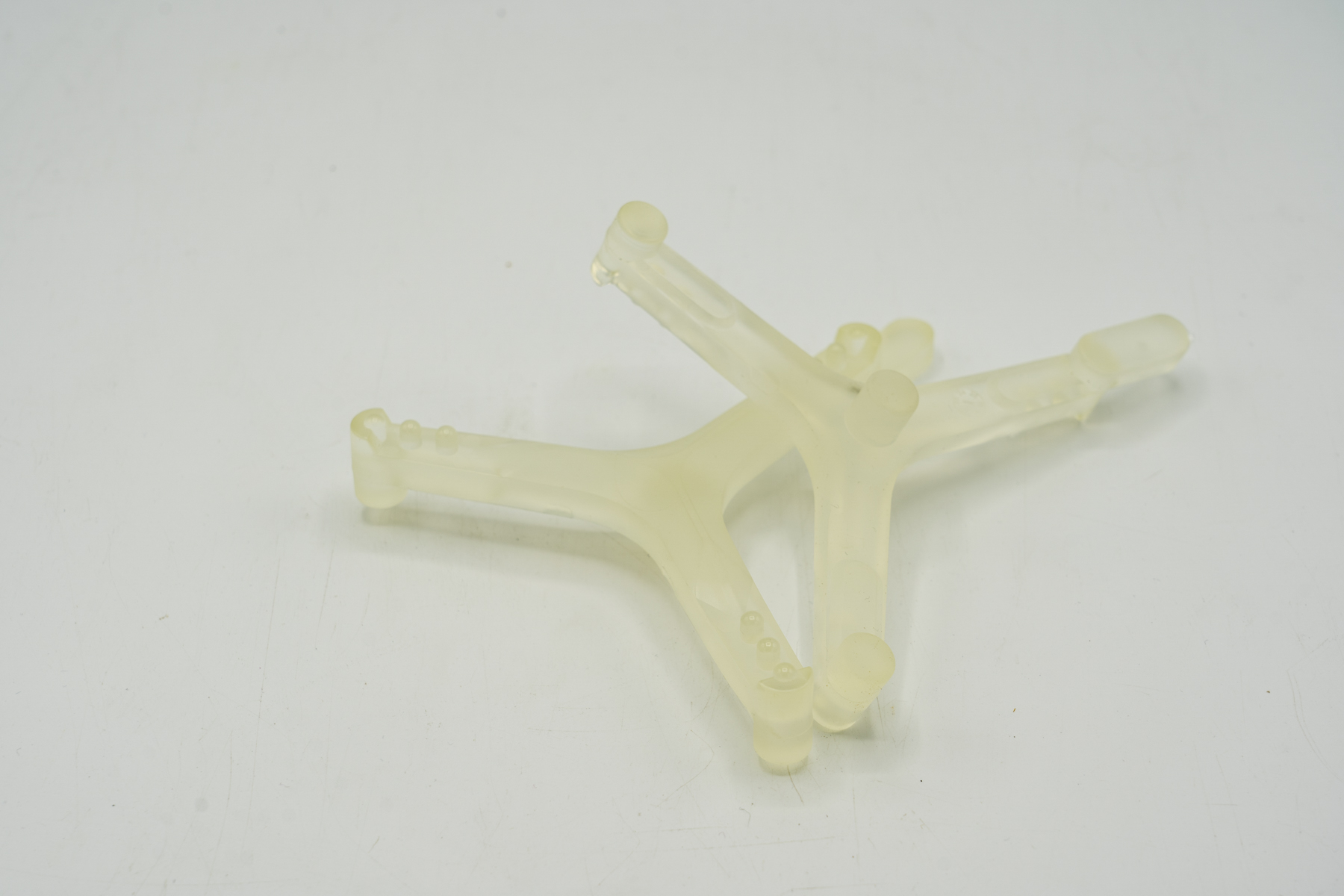
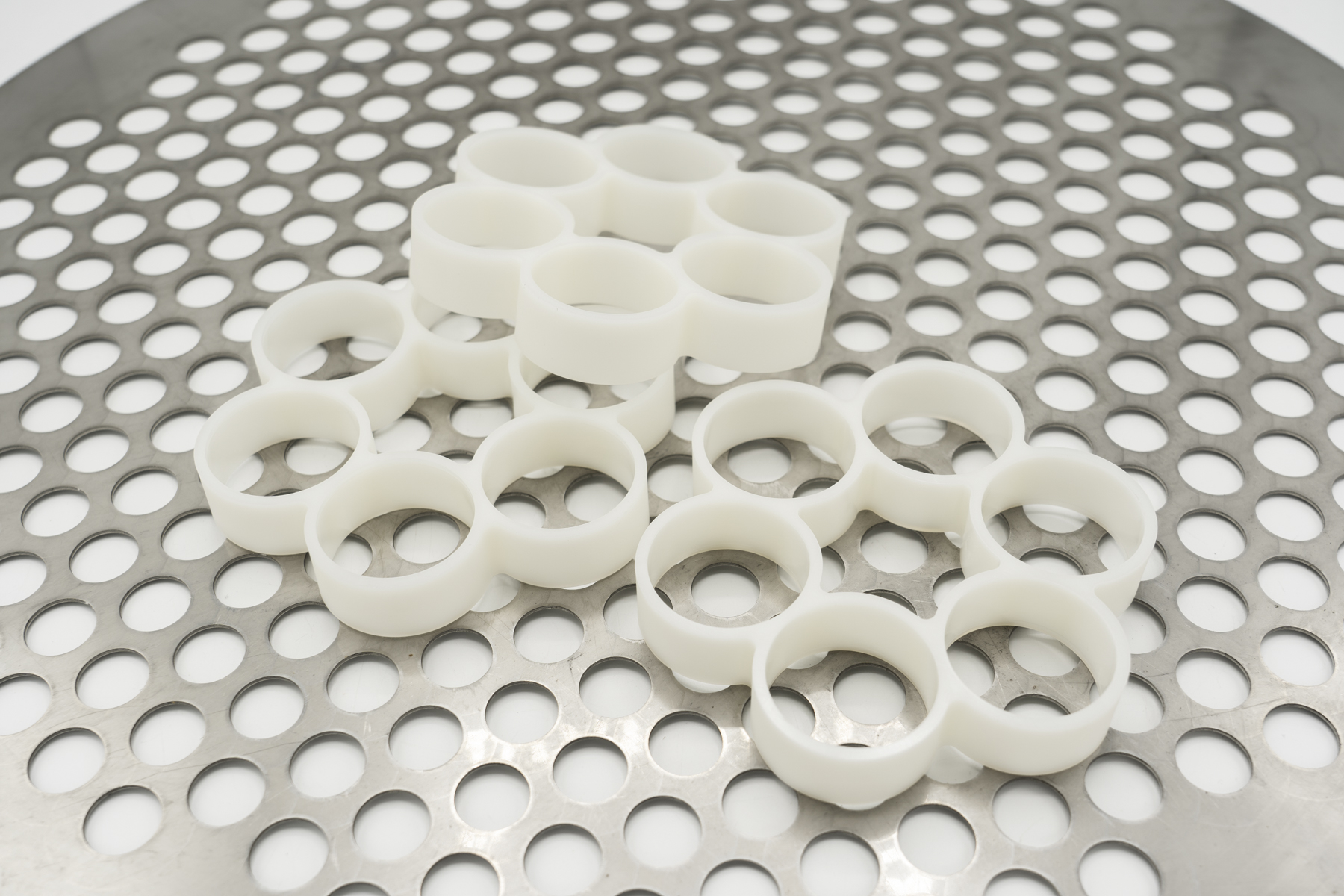
Deblinding Slider Rings & Clusters
Deblinding is a common challenge with both wet and dry product screening in separator machines. Near-size particles either get trapped in the mesh, or they build up on the wires, causing caking. Once screen openings are blocked, production suffers. Sliders, by themselves or in combination with balls, can help to alleviate this problem.
Due to their larger size, slider clusters (sometimes called honeycombs) are often used in larger-diameter screening. While the weight of slider clusters can increase their impact on the screen, the presence of fewer clusters also reduces the overall impact.
There are times when sliders deliver more effective deblinding than balls. For example, sliders are good at pulling more pliable materials through mesh openings. Sliders are also often used with fibrous materials because they provide the shearing action needed to clear fibers from the screen’s openings. However, they are less effective when used with materials that tend to stick inside them. Since they can generate heat, consideration should be given to whether the material being processed is temperature-sensitive.
Hytrel polyester, nylon, and polypropylene sliders are all FDA-compliant. Regular polyester sliders are also available. Select from 7⁄8″ and 15/16″ thicknesses.
Frequently Asked Questions
Find answers to common questions about square/plain weave wire mesh.
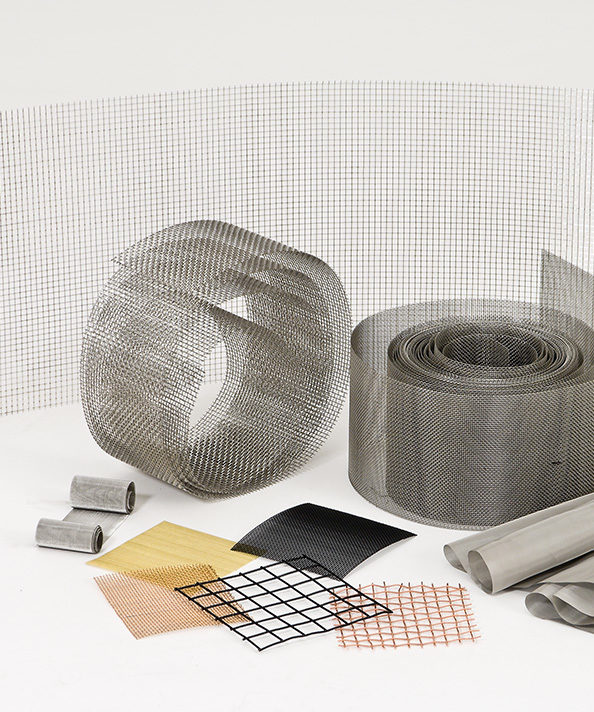
Square weave wire mesh, also known as plain weave wire cloth, is woven by passing each warp wire alternately over and under each shute wire, creating uniform square openings. This classic weave pattern delivers excellent stability, consistent aperture size, and versatility for filtration, screening, and architectural applications.
Gerard Daniel offers several variations of plain weave mesh, including square plain mesh, square twilled mesh, market grade mesh, bolting cloth (tensile bolting cloth), and mill grade mesh. Each differs in wire diameter, mesh count, and open-area percentage to meet specific flow, strength, and precision needs.
Our square wire mesh is available in stainless steel (304, 304L, 316, 316L, 321, 347, 430), Monel®, Inconel®, Incoloy®, nickel, Aluminum, brass, bronze, and copper. We also carry low-carbon steel (C1008) and DFARS-compliant stainless alloys for government and aerospace applications.
In plain weave, each wire crosses over and under one wire at a time, providing stability and fine filtration control. In twilled weave, each wire passes over two and under two adjacent wires, producing a smoother surface and greater strength — ideal for applications under high mechanical stress.
Market grade square mesh is the most commonly used industrial wire cloth, offering a balanced combination of wire diameter and mesh count for general-purpose screening, sieving, and filtering in chemical, mining, food processing, and construction industries.
Tensile bolting cloth is a fine plain-weave mesh made from smaller wire diameters to achieve higher open area and precise particle control. It’s widely used in sifting, powder coating, and liquid filtration processes that require accurate separation.
Mill grade mesh bridges the gap between market grade and bolting cloth. It provides slightly higher open area for efficient separation, making it a preferred choice for dewatering, particle classification, and general screening operations.
We stock over 5,000 mesh types ranging from coarse openings (2 mesh) to fine meshes over 500 mesh. Most rolls are 48 inches wide and a hundred feet long, with custom widths, slit rolls, and laser-cut shapes available upon request.
Yes. If your specification isn’t in stock, we can weave custom mesh in any alloy, wire diameter, or mesh count to meet your filtration or architectural requirements. We also offer laser cutting, stamping, and slitting for made-to-order parts.
Every mesh roll is inspected for weave accuracy, wire diameter consistency, and open-area uniformity. As both a manufacturer and user of our own wire cloth in filtration and separation systems, we maintain strict quality control and repeatable performance standards across all mesh grades.