

 Search
Technical Bulletins
Why Hardware Cloth is a Spring Must-Have

This blog explores how to keep your home and yard protected as gardens bloom and critters emerge.
Read MoreSafety Wire or Lock Wire: A Crucial Component

In engineering, aviation, and various industrial sectors, ensuring that fasteners and components stay securely in place is essential for maintaining safety and operational integrity. One of the key tools used to prevent fasteners from loosening due to vibration or mechanical stress is the safety wire, also known as lock wire. This simple yet effective mechanism…
Read MoreUnderstanding Micron Mesh Filters, Part Four: Case study – What not to do when designing with filtration wire mesh
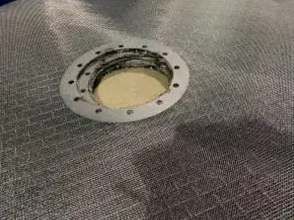
A filtration system manufacturer was creating a filter assembly to meet a seawater regulatory specification with a 25-micron rating. They had already completed preliminary rounds of design approval before consulting with a mesh supplier, so they were already locked into a particular 25-micron weave. The approval of that mesh was based only on its micron…
Read More3 Benefits of Wire Mesh for Electrolyzers & Fuel Cells
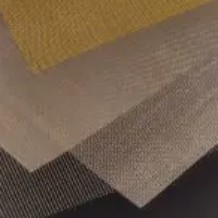
The demand for new renewable energy sources is giving rise to new-generation fuel cell development and hydrogen production using electrolyzers. Within this sector, wire mesh is one small component of the larger whole, but the right selection plays a critical role in the overall performance of the specified application. So, what exactly is its function,…
Read MoreUnderstanding Wire Mesh Retention Ratings: Nominal vs. Absolute Micron Retention
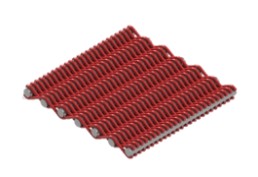
Wire mesh is a versatile material consisting of parallel rows and intersecting columns of wire. It comes in many different shapes, sizes, weave designs, materials and metal alloys for a number of industrial and manufacturing applications. Among the specifications used to describe wire mesh are the terms Nominal and Absolute retention rating, but what exactly…
Read MoreHow does the Cold Bond™ Manufacturing Process enhance Wire Mesh?

Cold Bond™ is a unique metallic bonding process developed to stabilize wire mesh for batteries, fuel cells, green hydrogen production and other processes. Woven wire meshes are becoming key components in current and emerging electrical energy generation and storage technologies – serving as anodes and cathodes, catalytic surfaces, permeable membranes, or chemical deposition substrates. In…
Read MoreMicron Mesh Filters – Part Three: Manufacturing Filtration Wire Mesh Components for Lowest Cost of Operation
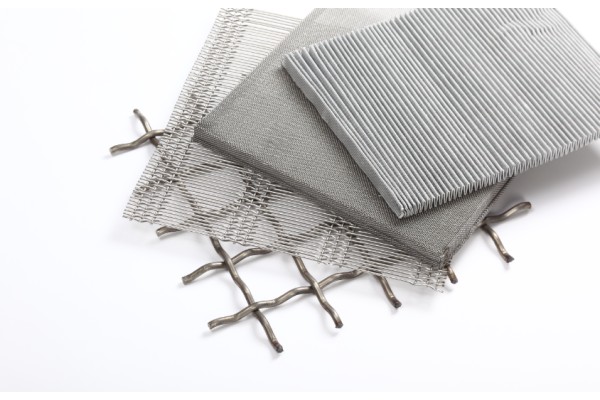
In part three we separate the possible from the practical and discuss manufacturability or forming of the wire mesh media to meet the shape of the filter design, and how it can affect the filtration properties of the wire mesh. As a recap of our series, in part 1, we discussed different mesh weaves and…
Read MoreMicron Mesh Filters – Part Two: Balancing the Durability and Aperture of Filter Mesh
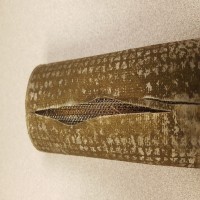
For this series on understanding wire mesh for filtration, in part one we discussed different mesh weaves and their roles in filter design. Here in part two, we will consider factors that degrade mesh performance as it relates to mesh aperture. When choosing a micronic mesh for a filter application, key variables often overlooked are…
Read MoreMicron Mesh Filters – Part One: Evaluating 6 meshes each with a 60 micron retention.
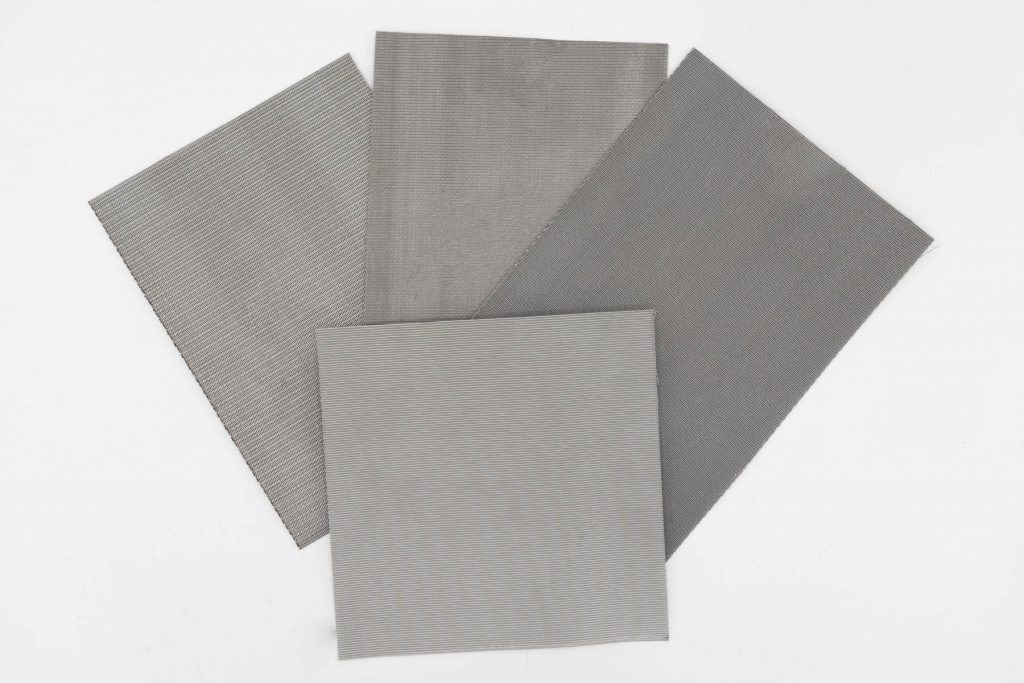
Selecting a micron wire mesh can be a daunting task. To better understand the complexities of mesh selection overall, let’s consider the more limited example of just choosing a 60-micron filtration mesh. We will first discuss some of the variables in what you expect the mesh to accomplish, followed by a comparison of the ways…
Read MoreSeparator Machines Working Principles: Lead Angle, Material Flow Path – How they affect your Productivity Throughput
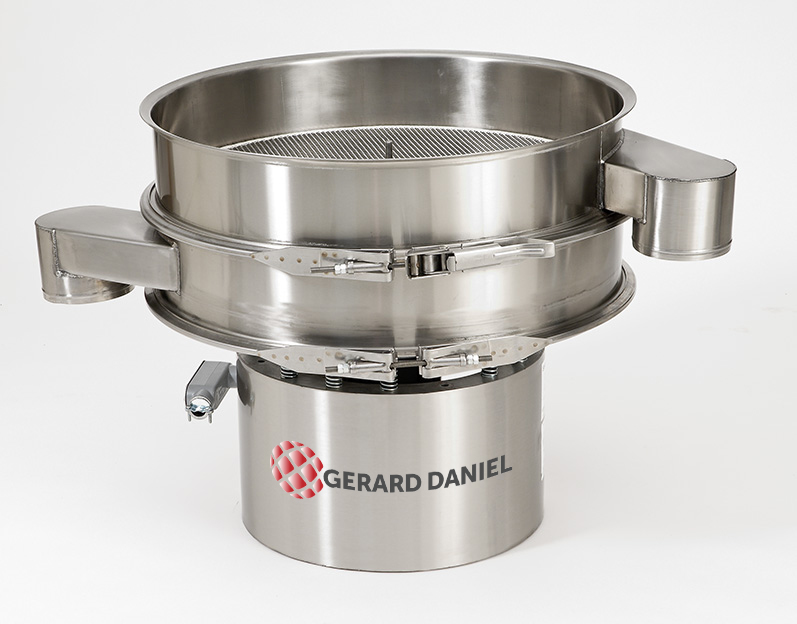
What is the Lead Angle? The lead angle adjustment controls the path the material travels across the screen. In round vibratory separators, the lead angle can be best defined as the counterclockwise angle between the top and bottom weights when viewing the machine from above. When set to the correct lead angle, the material feed path…
Read MoreChoose the Right Deblinding Screen for your Application
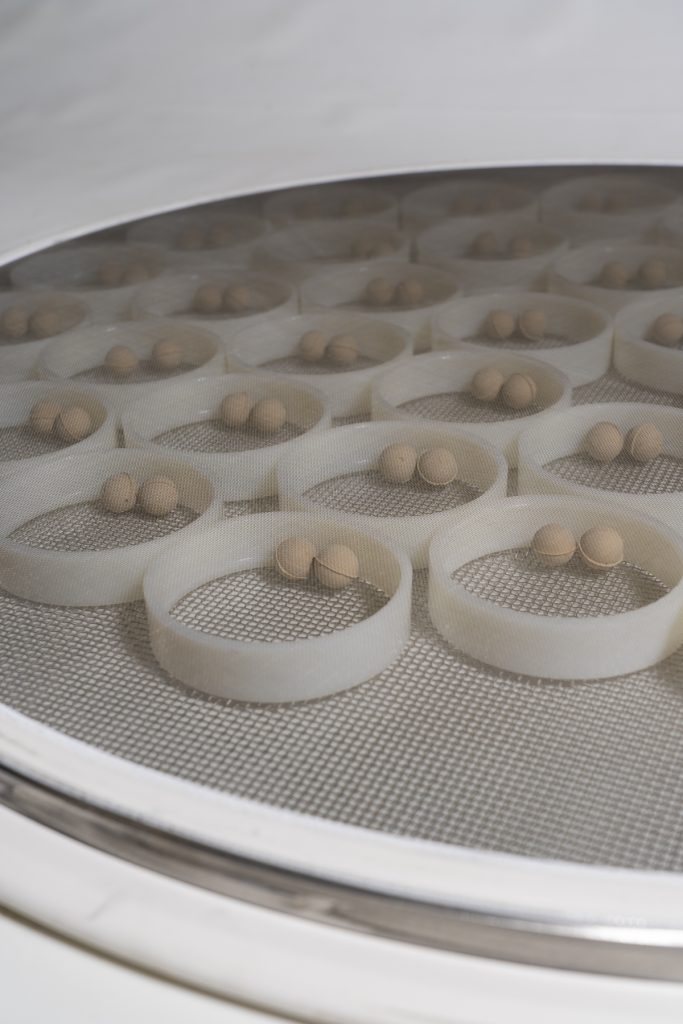
Using a vibratory separator machine is a reliable method of sorting, classifying, and cleaning a wide range of materials, both dry and wet. Because the material is sorted through a wire mesh screen, some materials tend to clog the mesh openings, effectively limiting the capacity of the machine’s throughput. To avoid stopping the process to…
Read MoreHow to Keep Screen Replacement Cost Low
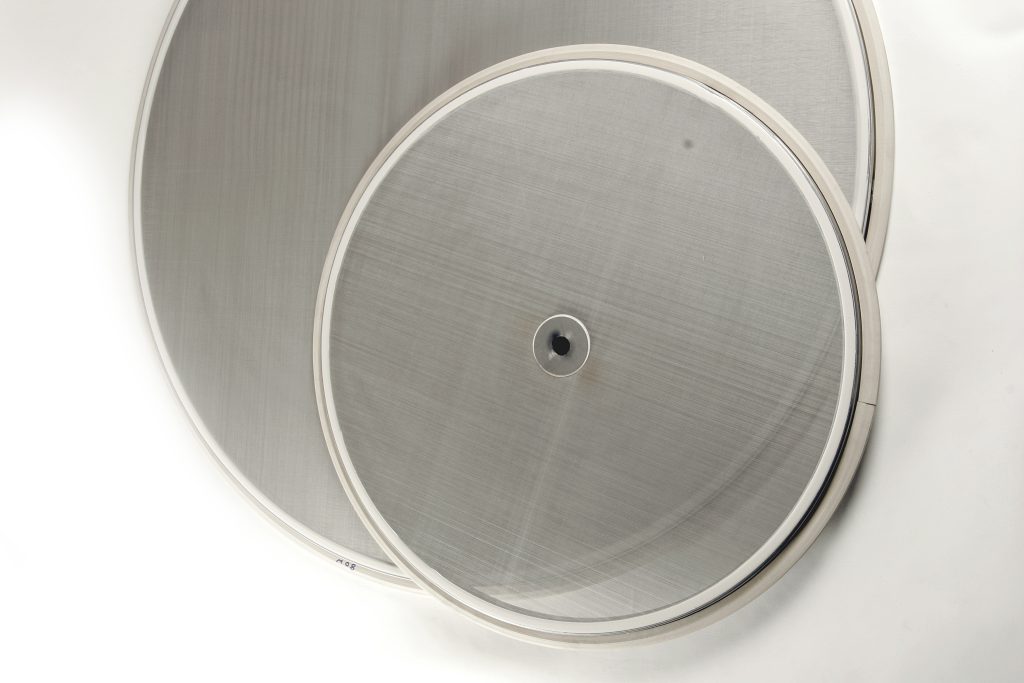
With the price of raw material skyrocketing, many manufacturers using Vibratory Separator Machines are wondering – how do we keep our costs of replacement screens at a manageable rate? According to the office of the U.S. Bureau of Labor Statistics, the stainless-steel index has increased more than 29.5% over the last year, realizing an approximate…
Read More