Search
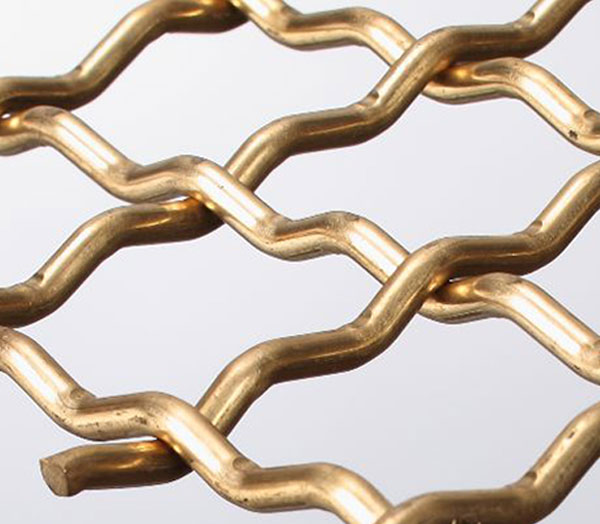
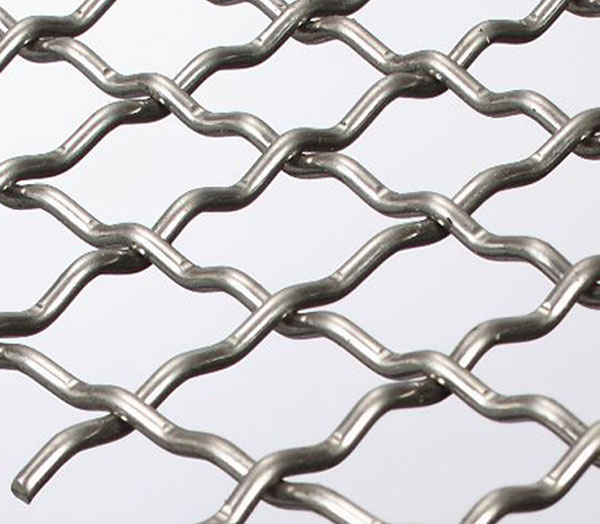
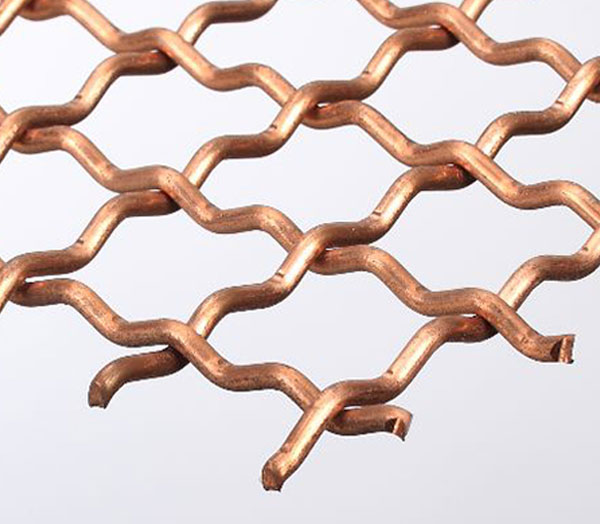
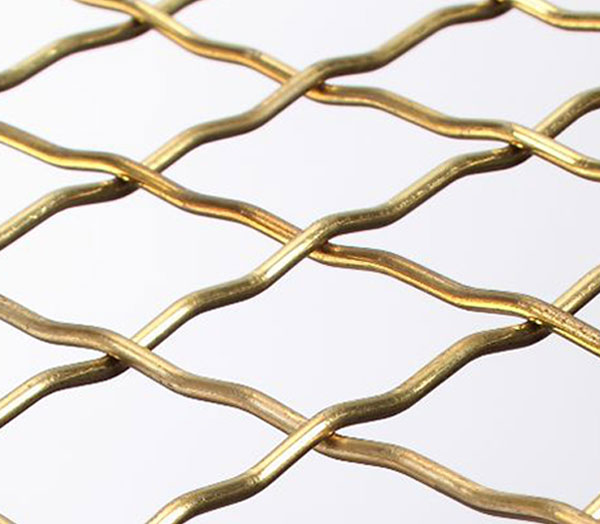
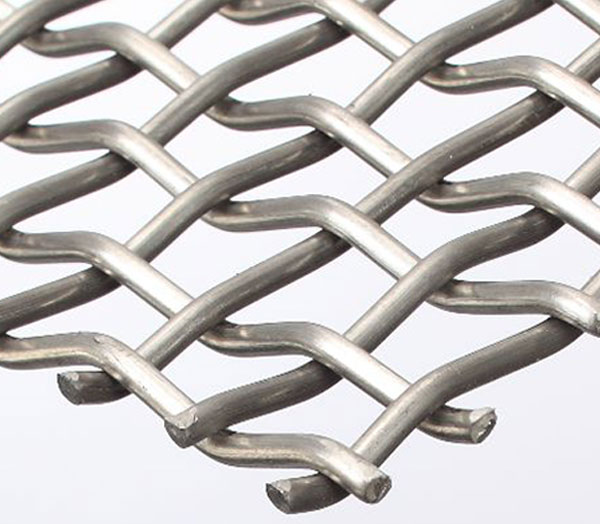
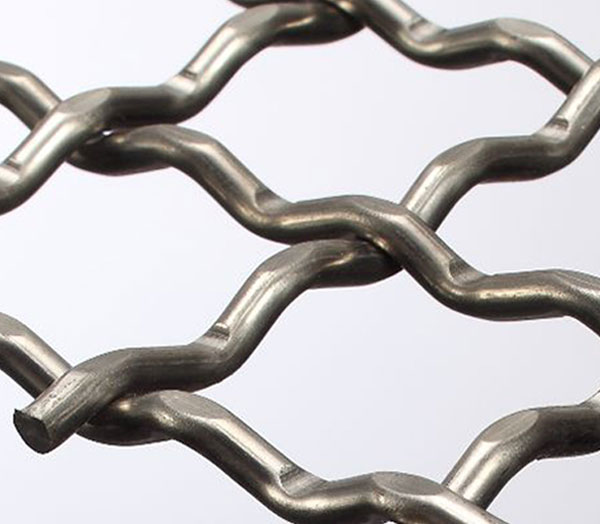
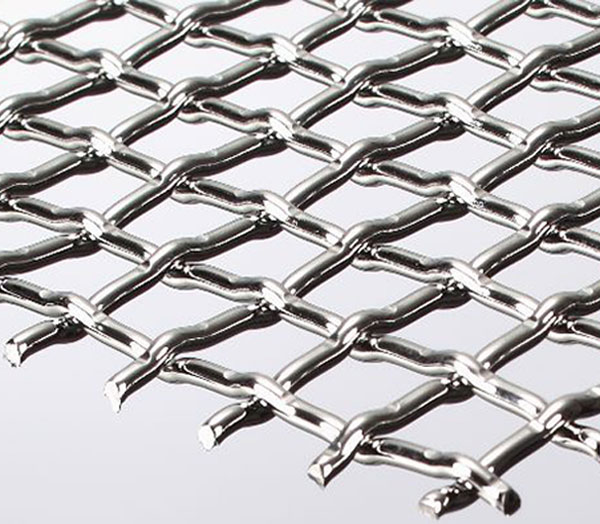
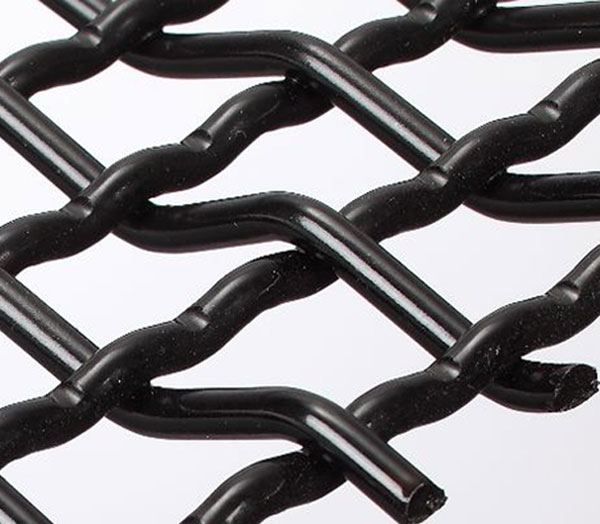
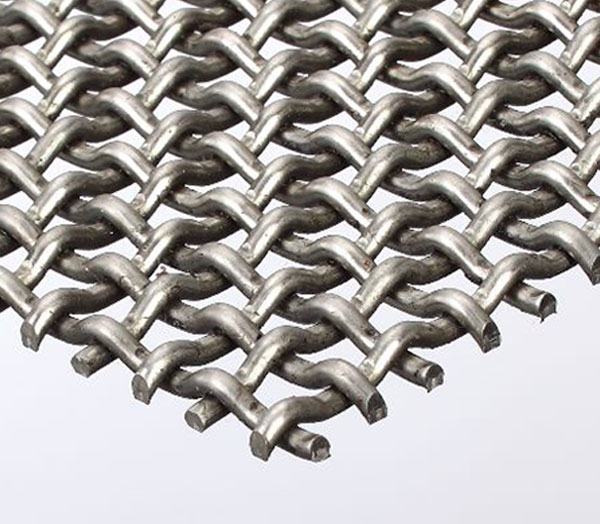
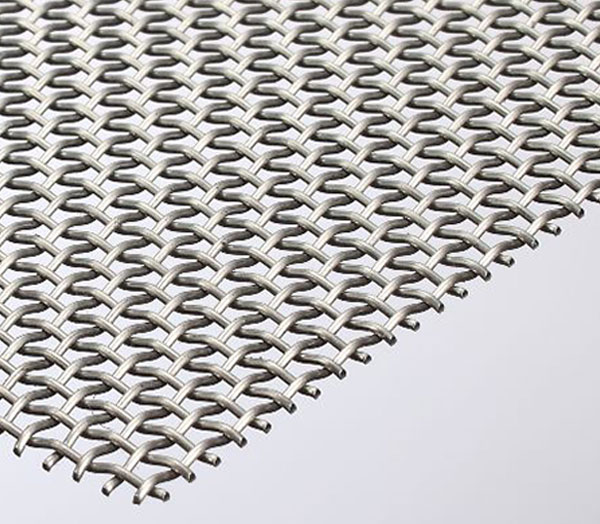
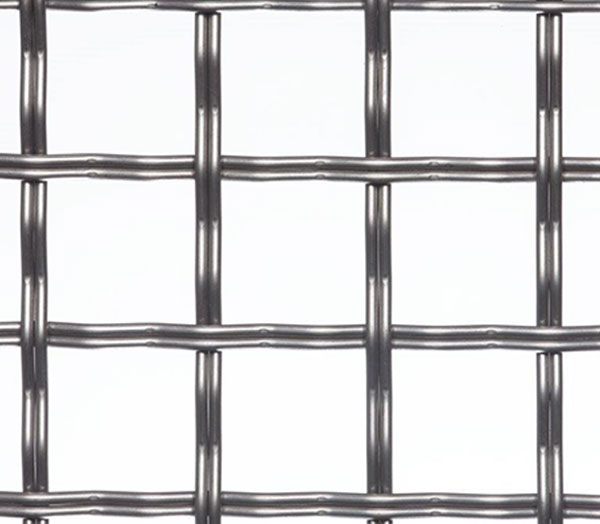
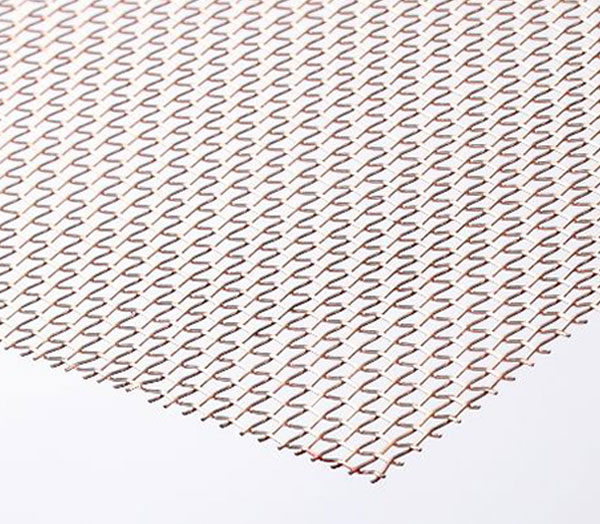
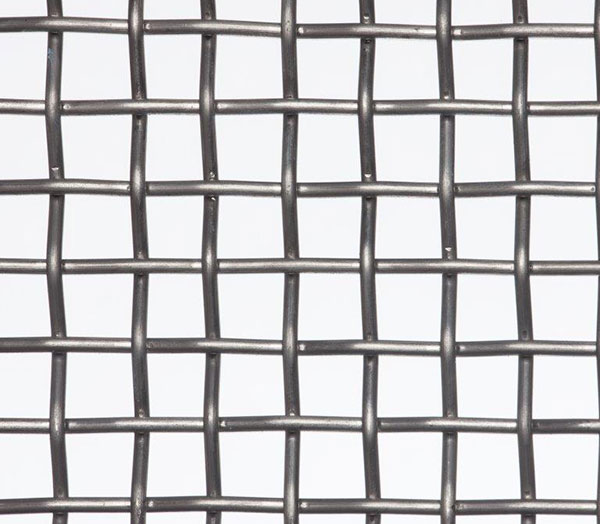
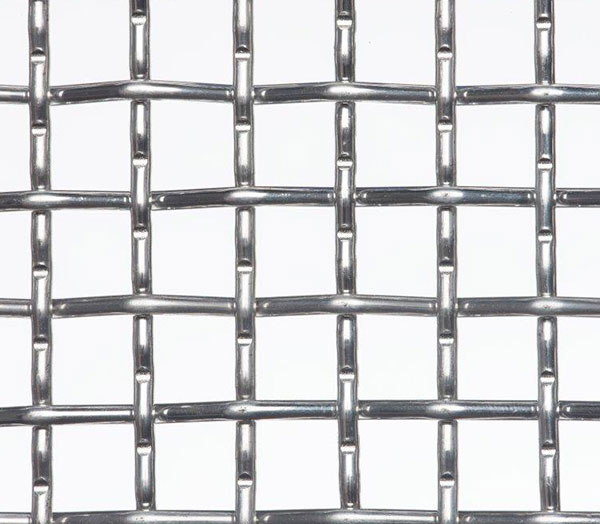
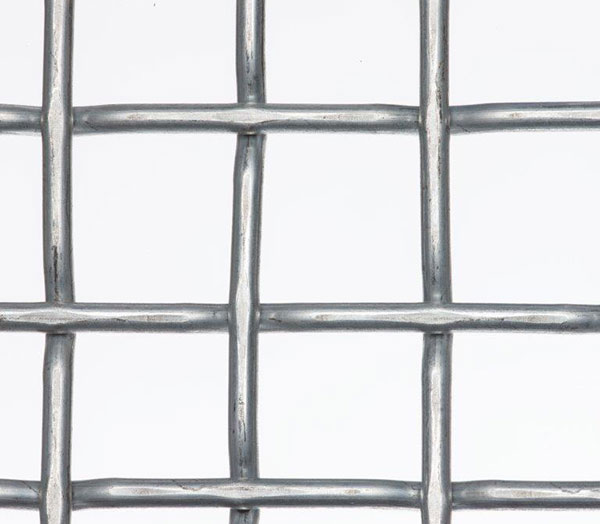
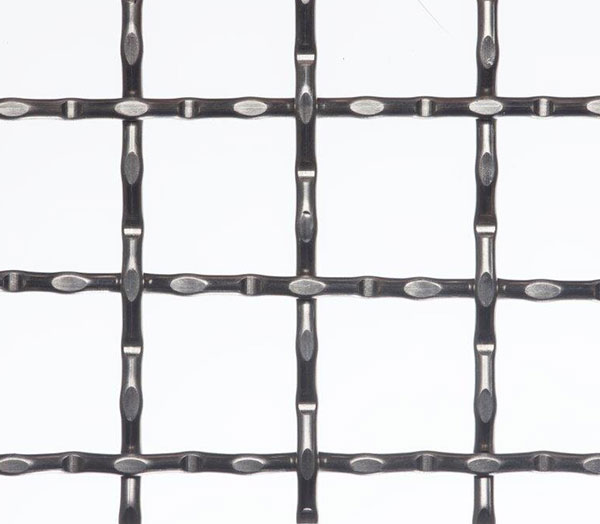
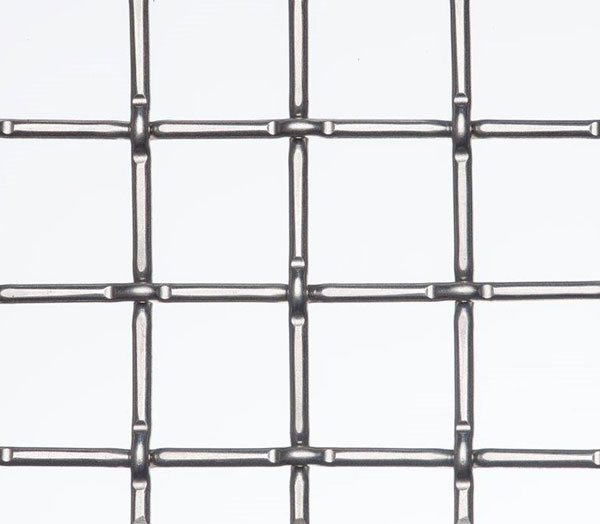
Crimped Wire Mesh
Pre-crimping wire enables the mesh to lock together, creating a tight weave with good rigidity and pleasing aesthetics. It is used extensively in architectural applications, as infill panels, cages and decoration. It is also used in acoustics, filtration, bridge guards, aerospace parts, rodent control, and truck grills.
Frequently Asked Questions
Find answers to common questions about crimped wire mesh.
What is crimped wire mesh?
Crimped wire mesh is a type of woven wire cloth in which the wires are pre-crimped before weaving. This process locks the wires securely at their intersections, producing a stable, rigid structure with a distinctive textured appearance. It’s commonly used for architectural infill panels, guards, grills, and filtration screens.
What are the different types of crimped wire mesh?
Gerard Daniel manufactures several styles, including double crimped wire mesh, intermediate crimped wire mesh, double intermediate crimped wire mesh, lock crimped wire mesh, and flat top crimped wire mesh.
What materials are available for crimped wire mesh?
We produce crimped mesh in stainless steel, plain steel, aluminum, bronze, brass, copper, and specialty alloys. Material choice depends on the application — for example, stainless steel for corrosion resistance, or bronze for architectural aesthetics.
What are the main uses of crimped wire mesh?
Crimped wire mesh is widely used in architectural infill panels, railings, partitions, and decorative facades, as well as in industrial filtration, screening, bridge guards, aerospace components, and truck grills. Its combination of strength, rigidity, and appearance makes it suitable for both form and function.
What is pre-crimping, and why is it important?
Pre-crimping refers to forming the wire into undulations before weaving. This technique locks the wires together tightly, resulting in precise openings, consistent tension, and improved rigidity — essential for heavy-duty or load-bearing mesh applications.
What’s the difference between lock crimp and flat top crimped wire mesh?
Lock crimp mesh has a very tight, smooth weave where the crimps interlock at each intersection for a polished architectural look. Flat top mesh features a flat surface on one side, offering a more open pattern suitable for screening, ventilation, and design flexibility.
Can Gerard Daniel supply custom crimped wire mesh panels?
Yes. We can custom-weave or cut crimped mesh to your exact size, pattern, and material specifications. Options include laser cutting, framing, U-channel edging, and welding for finished architectural or industrial assemblies.
What is U-channel framing, and why is it used with wire mesh?
U-channel framing encloses the mesh edges for safety, aesthetics, and ease of installation. It helps eliminate sharp edges, provides stiffness, and allows the mesh to be welded or mechanically fastened into guard rails or infill frames.
What mesh sizes and open areas are available?
Typical mesh counts range from 1 to 4 mesh with open areas from 56% to 94%, but other sizes can be made to order. We can help you select the ideal configuration for your project’s airflow, strength, or visibility requirements.
Do you provide crimped wire mesh for architectural projects?
Absolutely. Gerard Daniel’s architectural wire mesh combines performance with design appeal. Our engineers can collaborate with architects and fabricators to create custom infill panels, facades, and enclosures that meet aesthetic and structural goals.
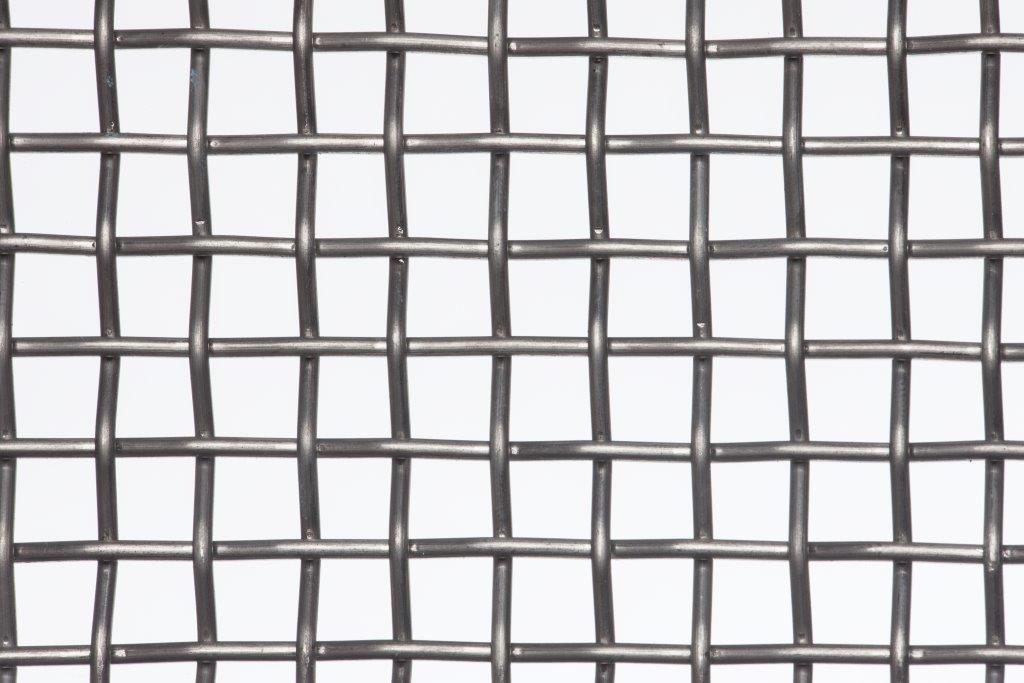
Double Crimped Wire
Also referred to as plain weave.
DETAILS
Mesh Count:
1# - 4#, other sizes available
Porosity:
56% - 94.1%
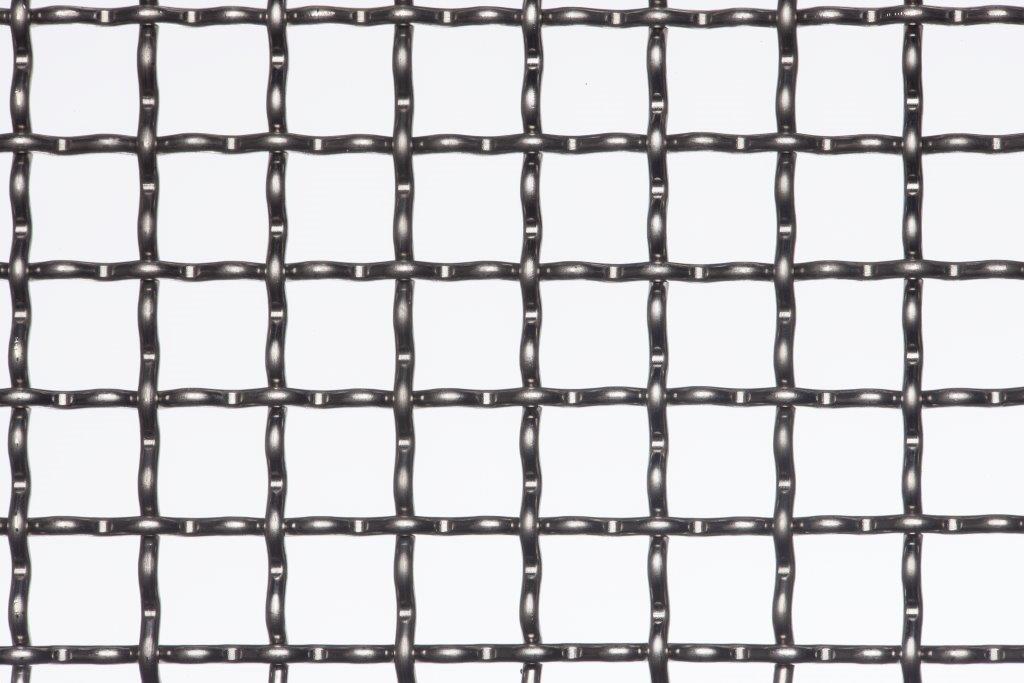
Intermediate Crimped Wire
With wires in every other crimp, the most common and most versatile type.
DETAILS
Mesh Count:
1# - 4#, other sizes available
Porosity:
56% - 94.1%
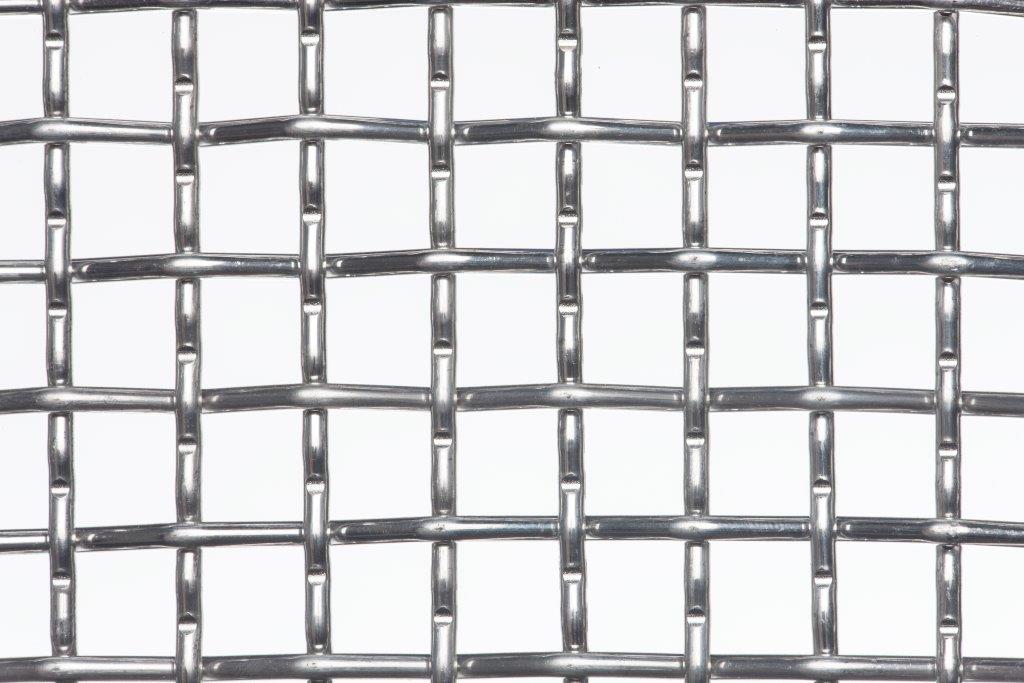
Double Intermediate Crimped Wire
With all shute wires crimped and warp wires in alternate crimps
DETAILS
Mesh Count:
1# - 4#, other sizes available
Porosity:
56% - 94.1%
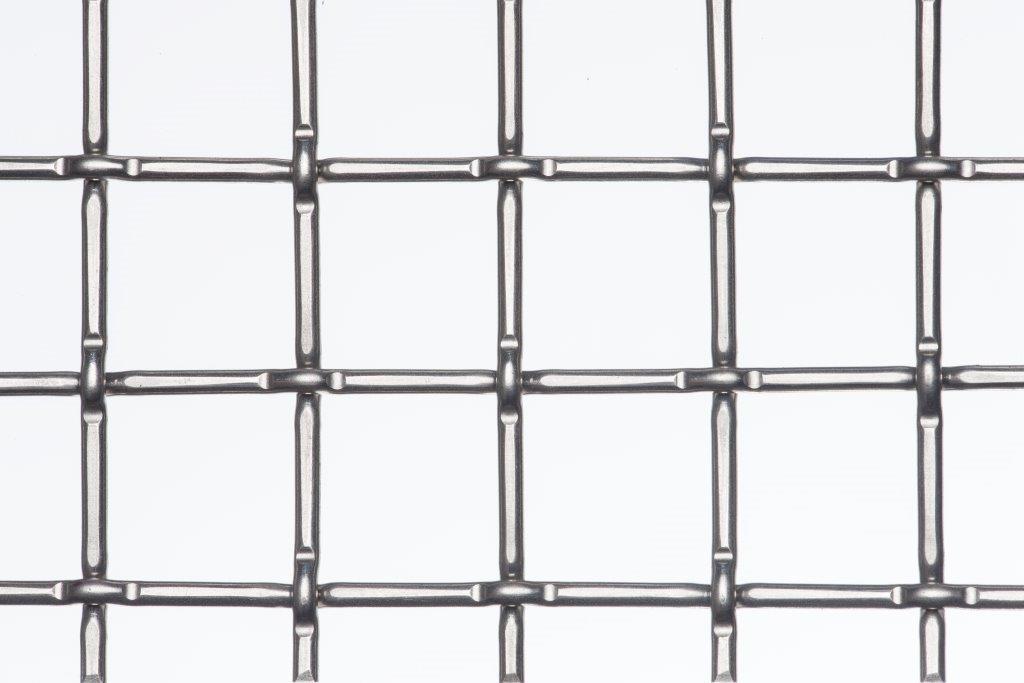
Lock Crimped Wire
A very smooth, tight weave favored by architects.
DETAILS
Mesh Count:
1# - 4#, other sizes available
Porosity:
56% - 94.1%
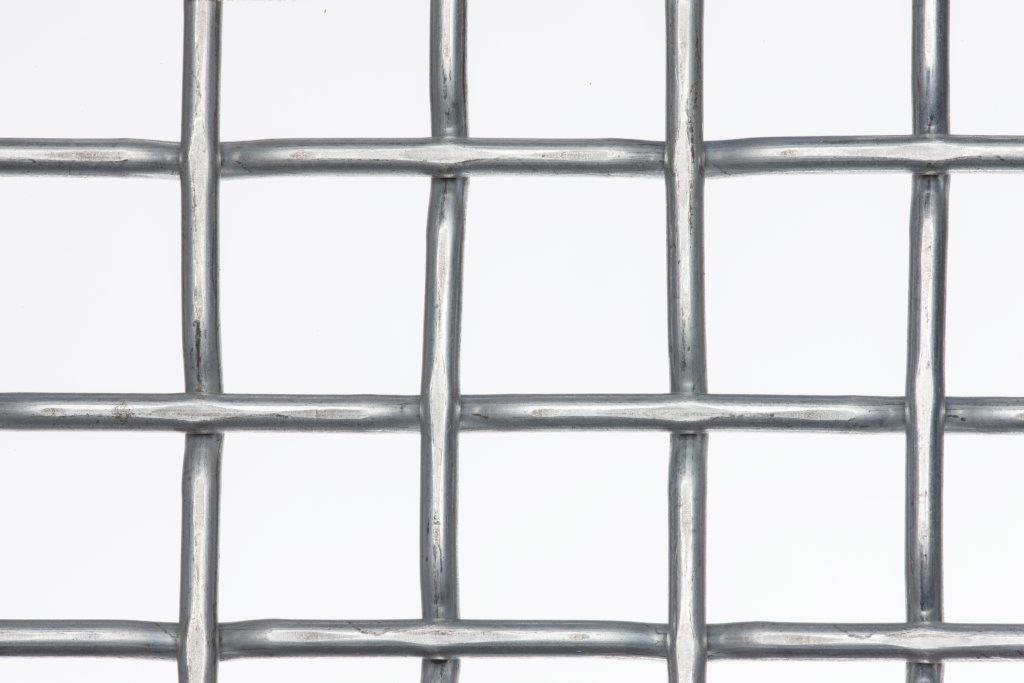
Flat Top Crimped Wire
Featuring a looser weave than the other types.
DETAILS
Mesh Count:
1# - 4#, other sizes available
Porosity:
56% - 94.1%
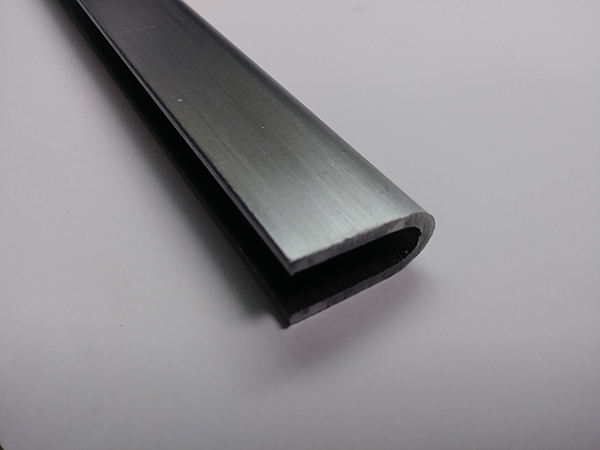
U-Channel
Used to frame welded wire mesh like a picture, U Channels have 3 main functions;
- Encloses the mesh taking away any sharp edges (depending on how the edges are cut)
- Allows it to be welded or attached mechanically into guard rails
- Stiffens the mesh and prevent damage to the wires.
We stock 12- and 18-gauge plain steel U Channels with a 1” width, supplied in 10ft lengths. Other gauges and Stainless or Aluminum are also available.
DETAILS
Mesh Count:
1# - 4#, other sizes available
Porosity:
56% - 94.1%
Frequently Asked Questions
Find answers to common questions about square/plain weave wire mesh.